





Dry-Land Briefing for Distributors

Plan Power-Tiller Work for Dry Land

For power tiller work in dry-land cultivation, soil resistance, desired result, daily workload, row spacing, working width and equipment need determine how M80 and GN12 / GN15 should be compared.

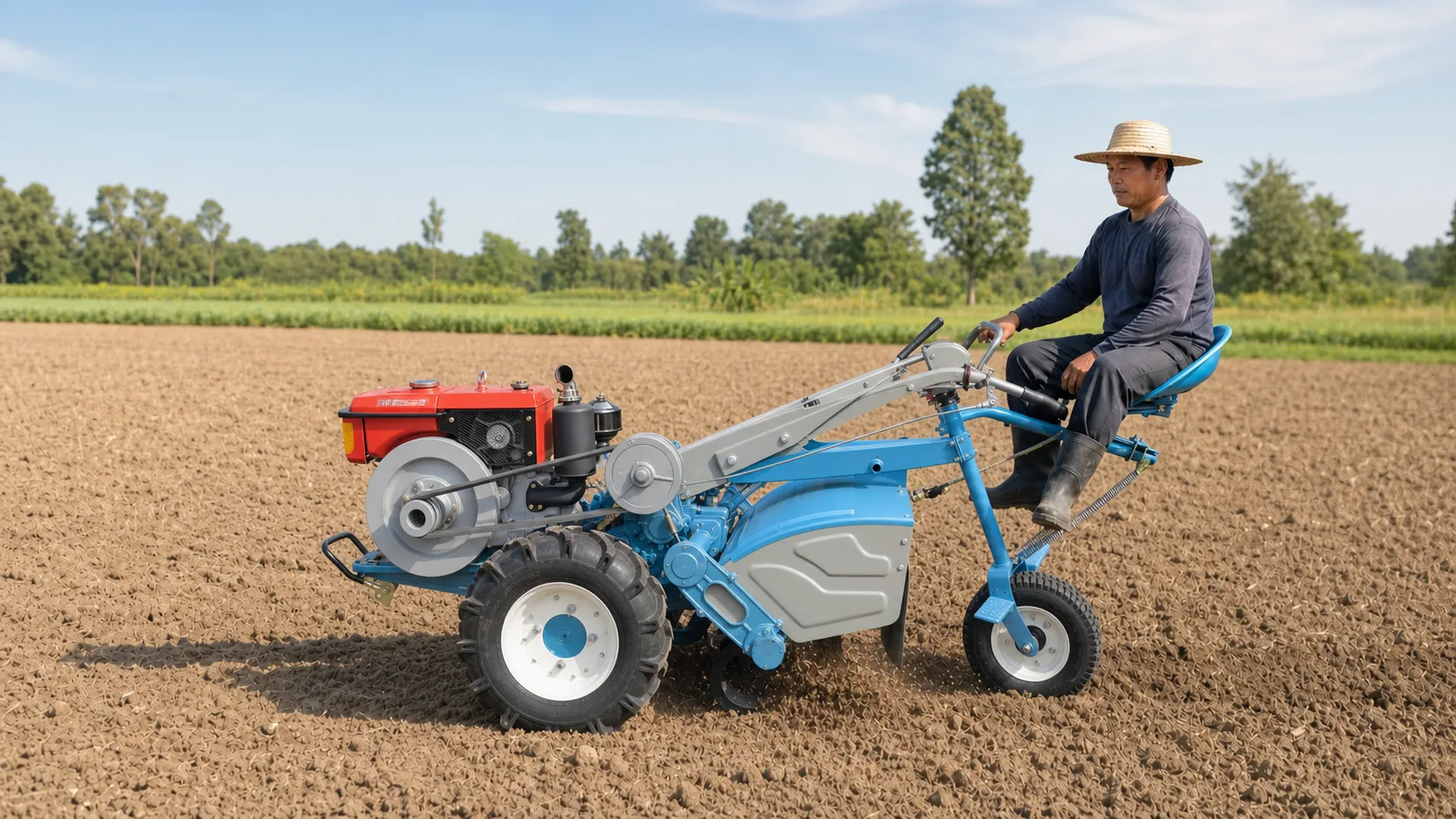
Operator seated on the red-engine blue-and-grey GN12 in a bright dry cultivated field
Illustrative GN12 seated-platform dry-field scene — it does not verify dry-land performance for a specific configuration

01 / Why Dry Land Is Not One Workload

The Soil and Target Result Set the Conversation Before Power Does.

Dry-land requests can range from lighter surface preparation to work in compacted, dry or stony soil. Before recommending a platform, establish the soil condition and moisture at the time of work, the required cultivation result, working depth where relevant, expected frequency and daily workload, row or access limits and the intended rotary or plough package.

02 / Dry-Land Selection Inputs

Record What Changes Load, Working Width and Equipment.

  1. 01

    Soil resistance and moisture

    Describe whether the soil is loose, light, compacted, very dry, moist or stony when work begins, including any previous preparation that changes the expected load.

  2. 02

    Required result and workload

    State the task, desired finish or working depth where relevant, number of operations, frequency and expected daily area rather than requesting horsepower alone.

  3. 03

    Rows, access and implement

    Provide the entrance and row spacing, turning area, preferred working width, rotary or plough requirement and any wheel setup that must enter the quotation.

03 / M80 or GN12 / GN15?

Let the Required Result Direct the Platform Review.

When access, width and lighter handling lead

MUBOTA M80

Review M80 for smaller or fragmented dry-land plots where access, turning and adaptable working width matter. Its documented basis includes a 179 kg chassis without engine, 7–10 HP compatible range and 480 / 600 mm rotary-width choices; engine, wheels and implements must match the actual soil and task.

See M80 dry-land considerations

When sustained load and a heavier platform lead

GN12 / GN15

Review the GN12 / GN15 platform family when soil resistance, daily workload, traction or multi-task use point toward a heavier structural base. Its documented GN12 basis includes a 470 kg structure without engine, iron gearbox, RT125DI at 12.5 HP maximum and a 600 mm rotary configuration; these facts do not guarantee performance in every compacted or stony soil.

See GN12 / GN15 dry-land considerations

This page is a procurement selection guide, not an operating instruction or a universal performance, suitability or safety guarantee. Confirm the actual soil, moisture, stones or obstacles, terrain, required result, working practice, wheel and implement compatibility, operator requirements and final configuration before purchase or use.

Ready to Describe the Actual Workload?

Send the Soil, Result and Daily Workload.

Share the destination country, customer type, soil and moisture condition, previous field preparation, plot and row dimensions, entrance and turning limits, required job and result, working depth where relevant, frequency and daily area, preferred engine, starting method, wheel setup, working width and implement, quantity and packing requirements.

Send a Dry-Land Brief