




Turn a Field Visit into a Useful Power-Tiller Brief

Plan Power Tiller Work Before Comparing Machines.

A power tiller model name or horsepower target cannot describe the complete working package. Gather terrain, soil and moisture, route, workload and equipment needs first; the M80 and GN12 comparison then has a real decision basis.

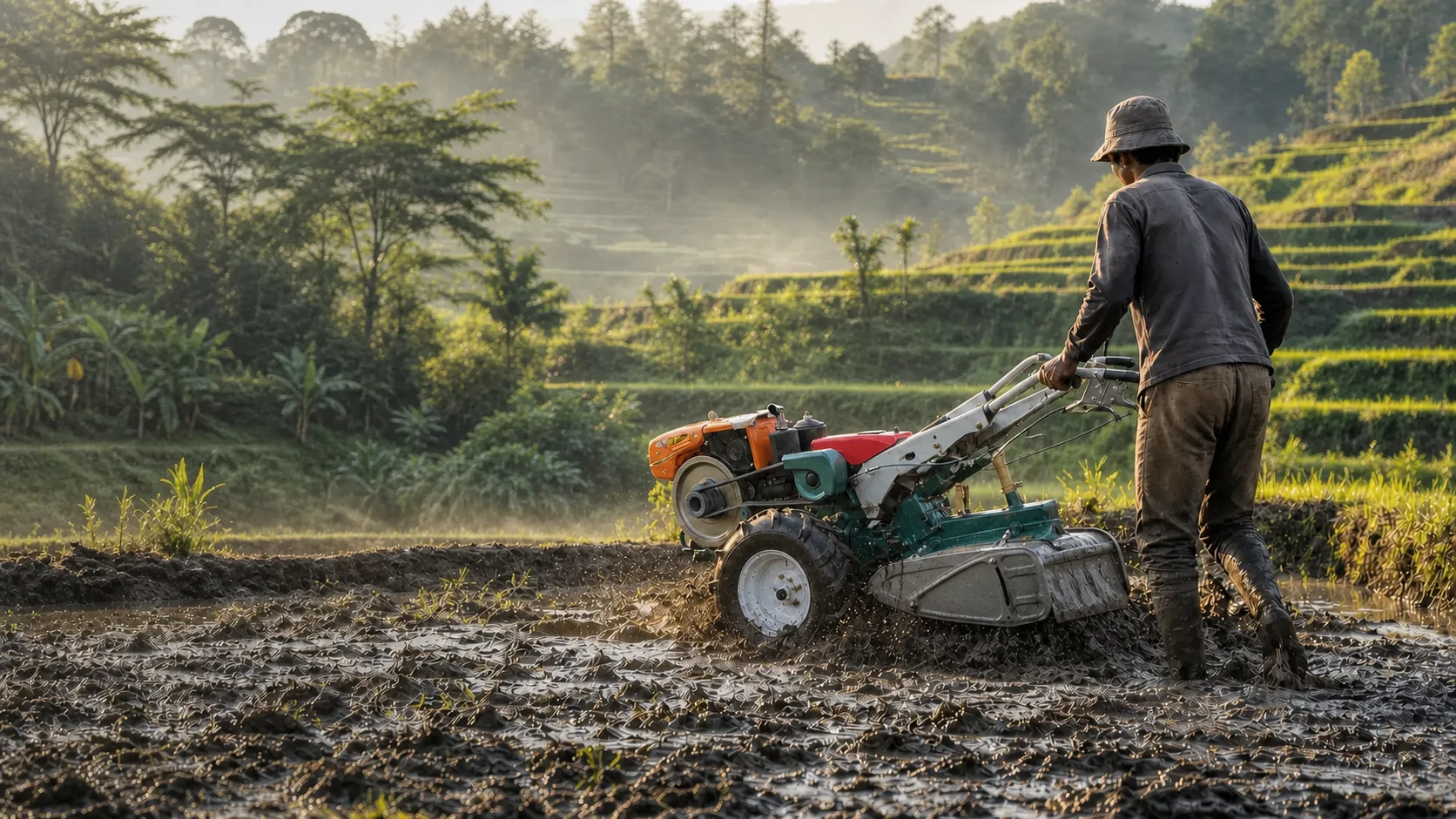
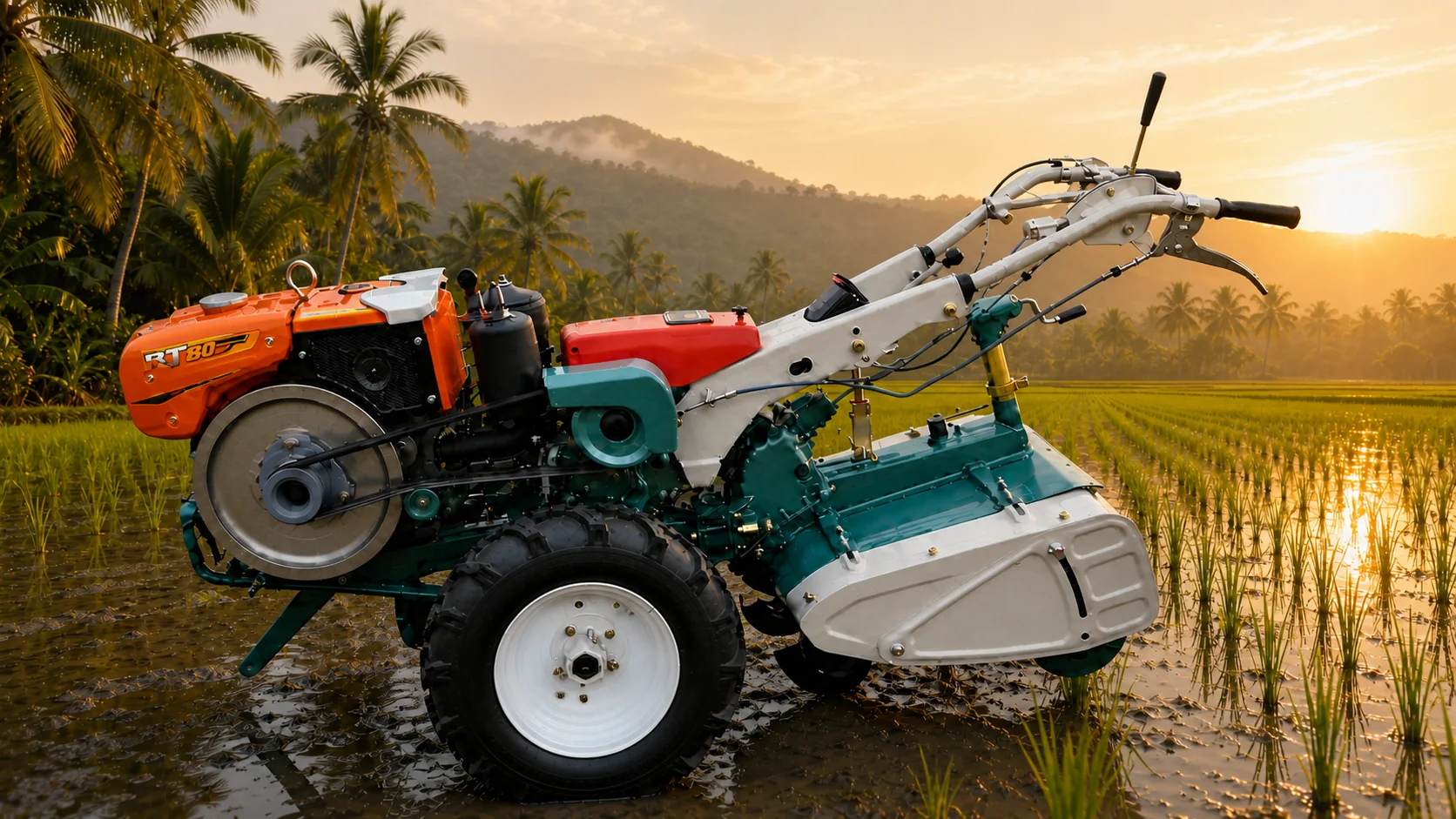
MUBOTA M80 working with a rotary cultivator in a paddy field

Three field-condition routes

Paddy fieldsCheck moisture, traction, bund access and turning space.
Dry landCheck soil resistance, workload, row spacing and implement choice.
Hilly and small fieldsCheck slope, access, plot size, turning room and handling limits.

Begin with the Condition That Changes the Answer

Choose the Field Condition, Then Define the Configuration.

Each route combines the field scene, visible machine setup and the questions needed to turn a broad machinery request into a useful distributor enquiry.

  1. 01
    MUBOTA M80 power tiller shown complete in a paddy field

    Paddy fields

    Water level, soft ground, narrow bunds and limited turning room can change the required wheel setup, machine handling and working width.

    Configuration context

    Application
    Wet ground, bund access and paddy preparation
    Implement
    Rotary cultivator and field-appropriate wheel setup
    Visible on the machine
    Wheel stance, rotary housing, handle controls and turning envelope

    Ask before recommending

    • What are the soil and water conditions when the machine enters?
    • How wide are the access route, bunds and turning area?
    • Which cultivation task, wheel setup and working width are required?
    Open the paddy-field guide
  2. 02
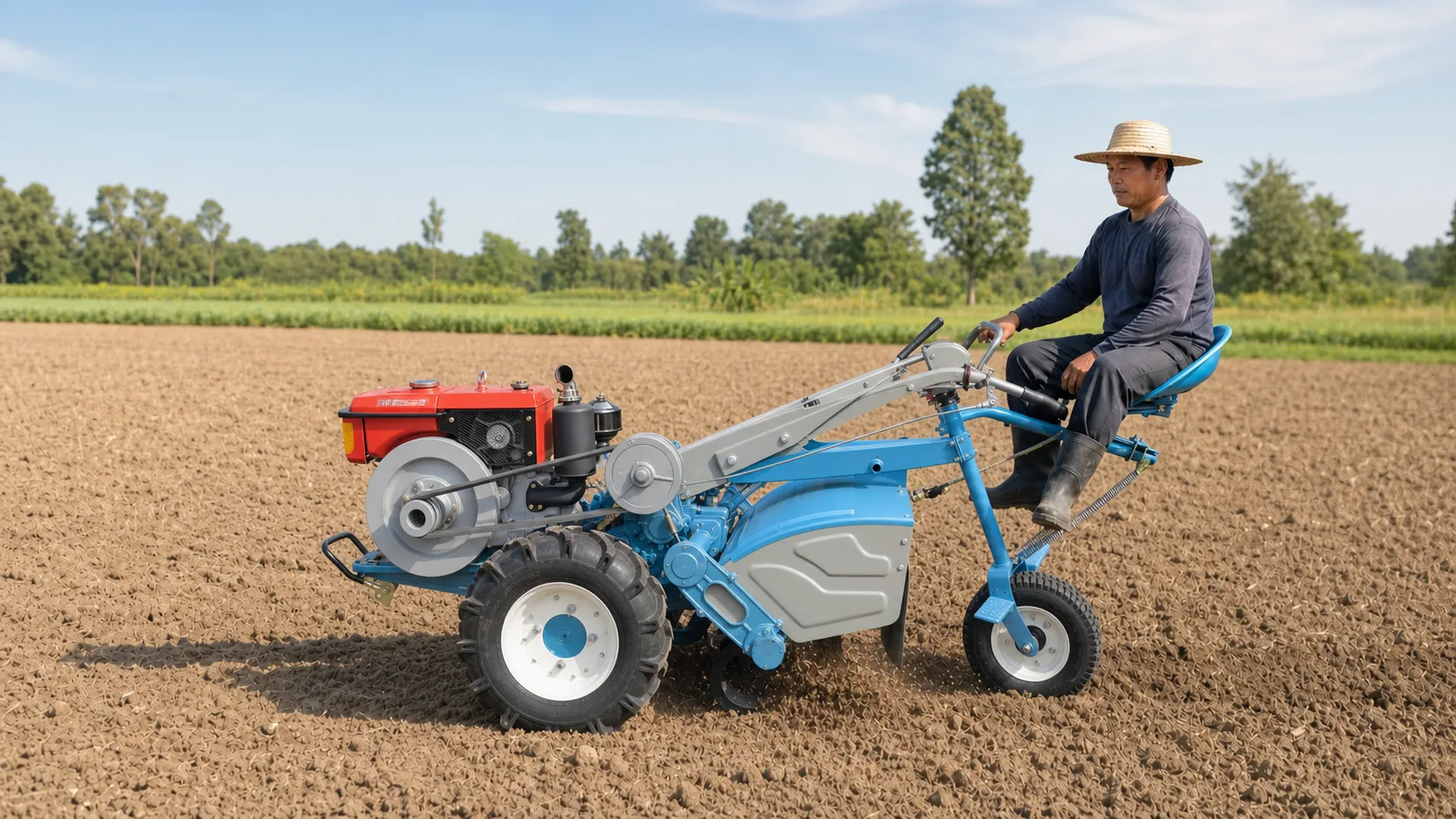
    Operator seated on the red-engine blue-and-grey GN12 in a bright dry cultivated field

    Dry land

    Soil resistance, required depth or result, daily workload and row spacing determine how power, platform weight, width and implement should be discussed.

    Configuration context

    Application
    Dry soil, row preparation and workload
    Implement
    Platform-specific rotary cultivator or plough package
    Visible on the machine
    Engine, driveline, wheels, working width and implement interface

    Ask before recommending

    • Is the soil light, compacted, stony or difficult to break?
    • What result and daily workload must the machine support?
    • What row spacing, working width and implement are required?
    Open the dry-land guide
  3. 03
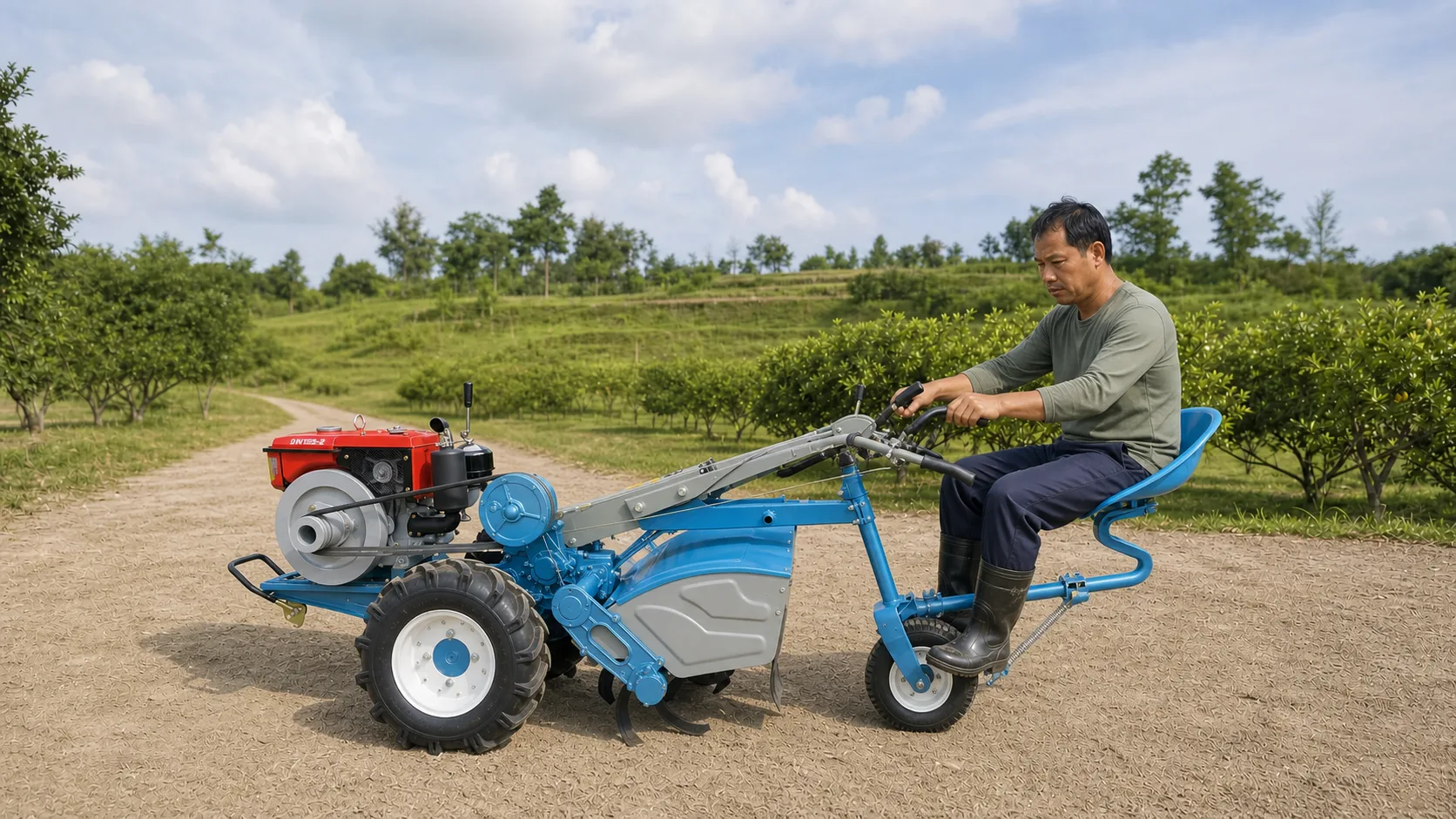
    Operator seated at the small support-wheel end of the red-engine blue-and-grey GN12 on a level orchard route

    Hilly and small fields

    Small or fragmented plots and uneven routes make access width, slope, machine weight, turning space and local operating requirements part of the first suitability check.

    Configuration context

    Application
    Small plots, slopes and restricted access
    Implement
    GN12 / GN15 wheel, working-width and implement setup
    Visible on the machine
    GN12 / GN15 dimensions, weight, wheel width, controls and turning space

    Ask before recommending

    • How wide and stable is the route into and out of the plot?
    • What slope, surface, obstacle and turning limits apply?
    • Does the customer prioritise lighter handling or a heavier workload platform?
    Open the terrain and access guide

Five Inputs Before a Platform Discussion

Gather What Changes the Recommendation.

Collect these details before proposing a platform. They show whether access, workload, traction, equipment or delivery scope is actually driving the decision.

InputWhat to tell usWhy it matters
01TerrainIs the ground level, wet, dry, sloped, uneven or crossed by bunds and obstacles?Defines the access, stability, traction and local operating checks that must come before a model recommendation.
02Soil and moistureIs the soil soft, sticky, loose, compacted or stony, and under what moisture condition will the machine work?Changes the expected working load and the wheel, implement and operating setup that should be discussed.
03Plot size and accessWhat are the entrance width, row spacing, bund width, turning area and storage limits?Shows whether compact handling or a heavier platform is the more relevant starting point and which working width can be considered.
04Job and workloadWhat work, result, frequency and daily operating volume are expected?Separates occasional compact cultivation from more sustained cultivation, traction or short-distance transport requirements.
05Implement and order scopeWhich implement, wheel setup, engine or start preference, quantity, destination and packing requirements apply?Turns the field requirement into a complete machine, equipment and commercial quotation scope.

Compare Roles, Not Only Specifications

M80 and GN12 Begin with Different Constraints.

Use the field brief to decide which platform deserves closer evaluation. M80 begins with access and maneuverability; GN12 / GN15 begins with a heavier structure and a different basis for cultivation, traction and transport-oriented work.

Decision point
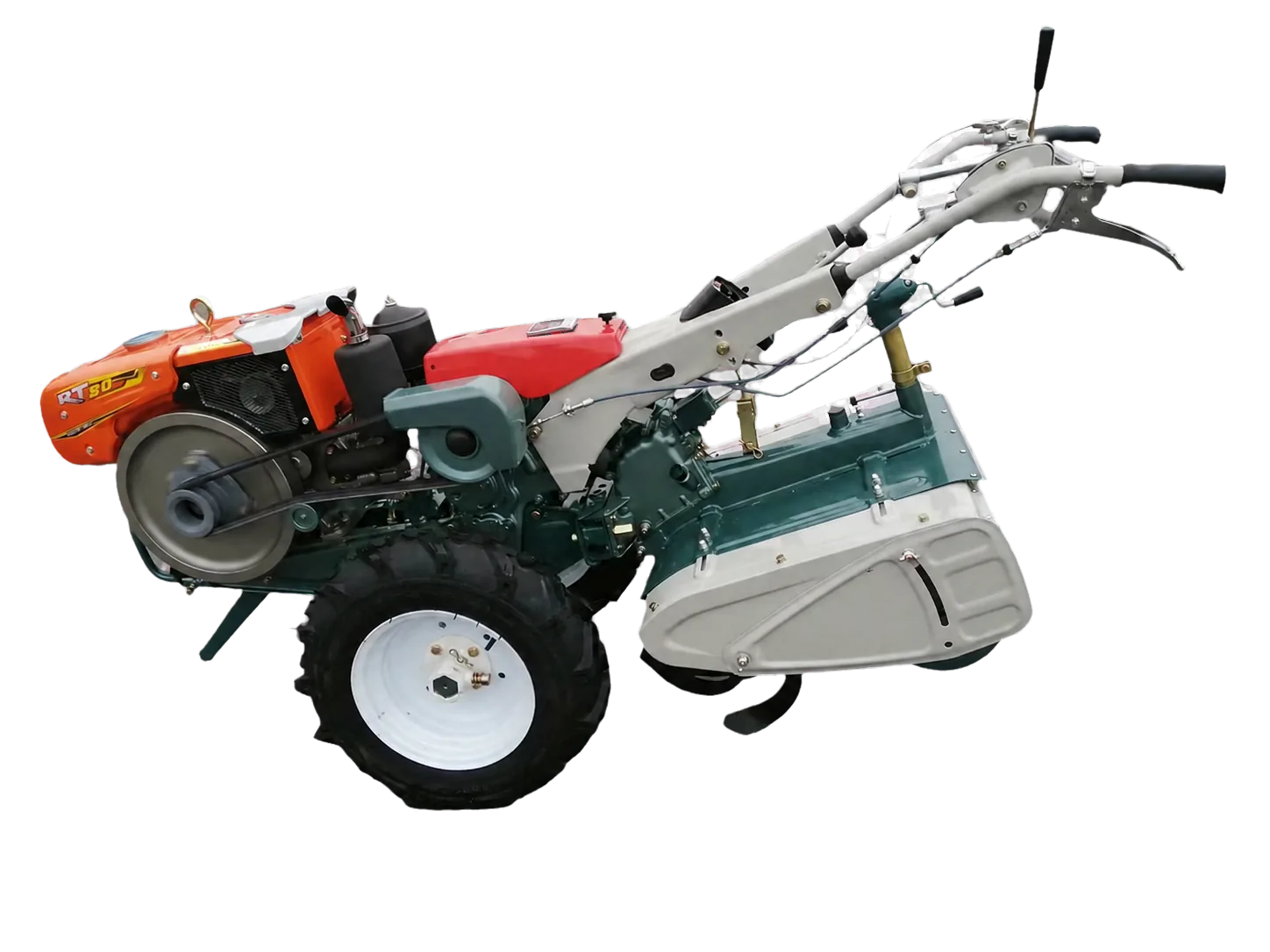
MUBOTA M80 walking tractor cutout

Lighter platform for access and maneuverability

MUBOTA M80

View M80
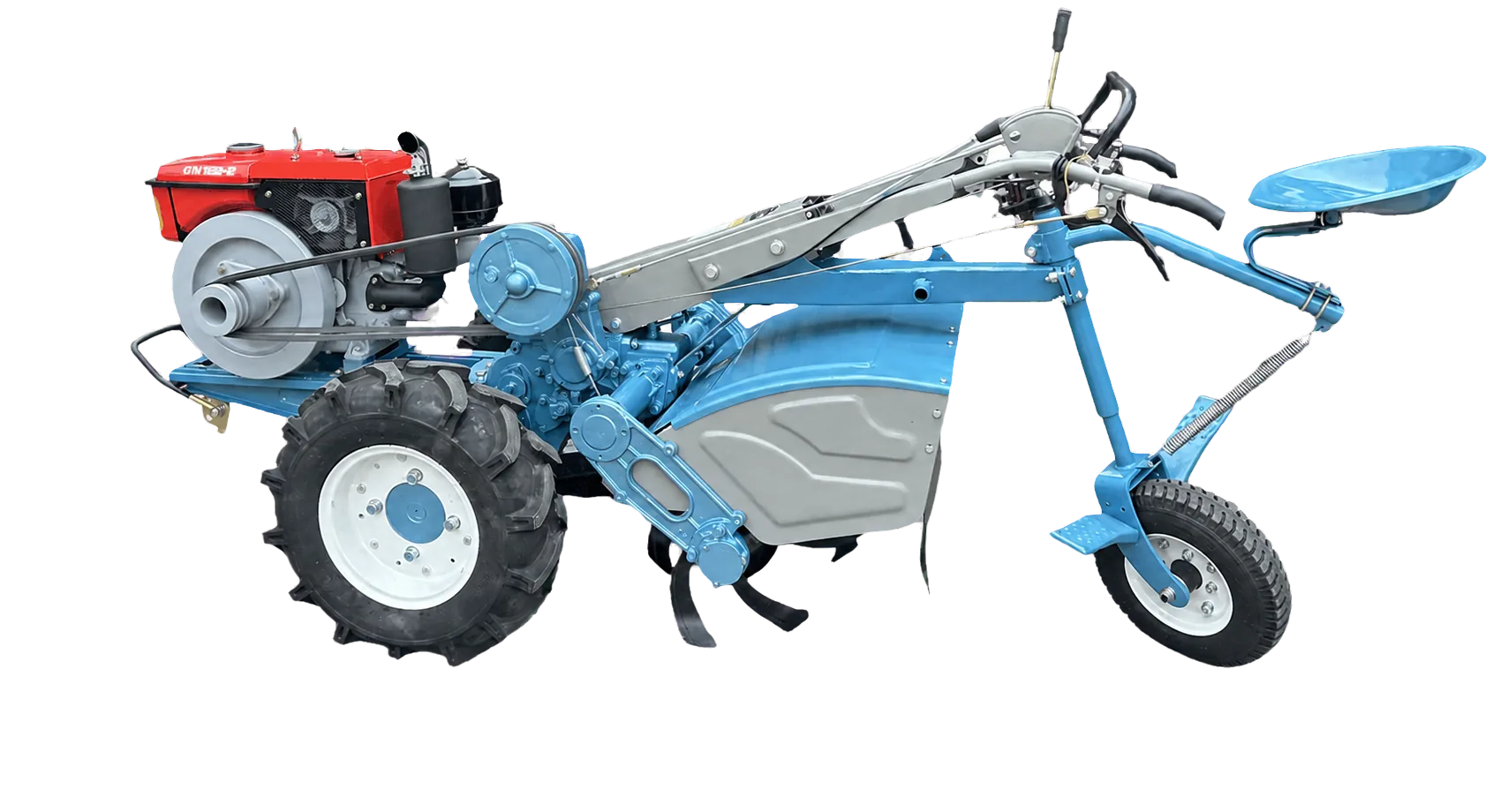
GN12 seated configuration platform cutout

Heavier platform for workload and traction

GN12 / GN15

View GN12
Decision priorityWhen should this platform enter the discussion?When smaller or fragmented plots, narrower access, frequent turning and lighter handling lead the decision.When sustained cultivation, traction equipment, short-distance transport or a heavier structural base lead the decision.
Confirmed power basisWhat is currently confirmed?7–10 HP compatible range with 6F / 2R transmission; final engine and starting method are quoted.RT125DI at 12.5 HP maximum / 11 HP continuous with 6F / 2R transmission; other engine packages require confirmation.
Platform factsWhich structural facts change the comparison?179 kg without engine; aluminium gearbox; 480 mm standard or 600 mm maximum tilling width.470 kg without engine; iron gearbox; documented 600 mm rotary-cultivator configuration.
Quotation inputsWhat must still be specified?Field access, soil, workload, engine and start, 480 / 600 mm setup, implements, quantity and packing.Terrain, workload, engine and start, wheel setup, rotary / plough / trailer requirements, seat, quantity and packing.

This comparison is a decision starting point, not a universal suitability or safety guarantee. Final selection depends on local terrain, soil, access, workload, implement and operating requirements. GN12 and GN15 are presented as one platform family; confirm the requested diesel-engine configuration and final supplied scope in the quotation.

Equipment Follows the Work Requirement

Start with the Result, Then Define the Implement.

An implement needs to match the platform, hitch or drive interface, field condition and required result. Use these views to identify the equipment category, then check the connecting hardware and included scope.

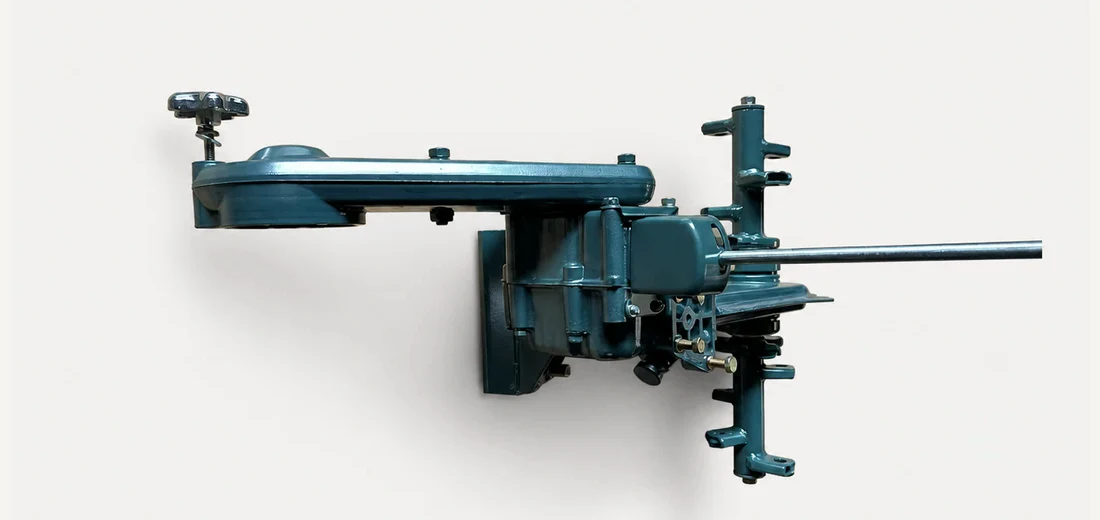
M80 rotary attachment assembly shown directly on a clean light background

Rotary cultivator

For rotary cultivation and land preparation. Confirm the platform, soil condition and complete working-width package: M80 documents 480 / 600 mm arrangements, while GN12 documents a 600 mm rotary configuration.

Compare rotary configurations
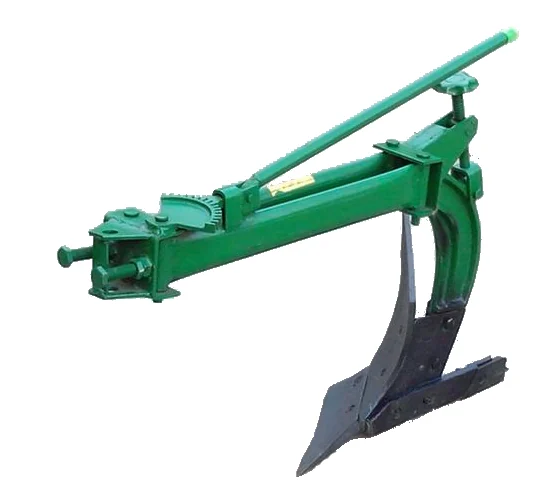
M80 single-furrow plough isolated on a clean white background

Plough package

For furrow opening and soil turning. M80 materials document a single-furrow plough, while GN12 materials document a double-furrow category; confirm the platform-specific plough, hitch and connecting hardware.

Compare plough requirements
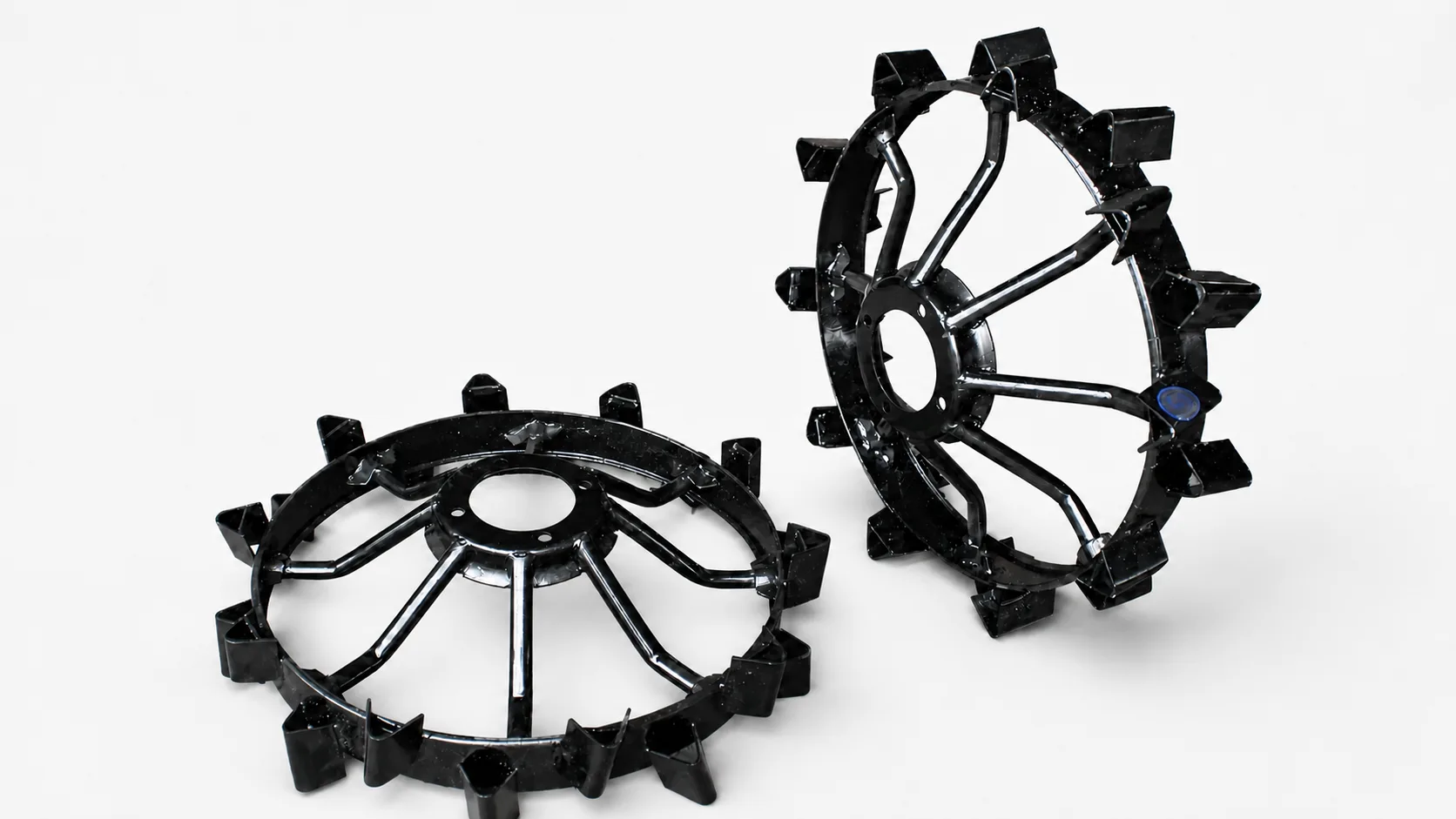
Steel traction-wheel pair shown directly as a component reference

Anti-skid wheels

For field conditions where the traction setup requires steel wheels. Confirm the machine platform, terrain, wheel interface, tread setting and local operating requirements before quotation.

Review the GN12 wheel setup
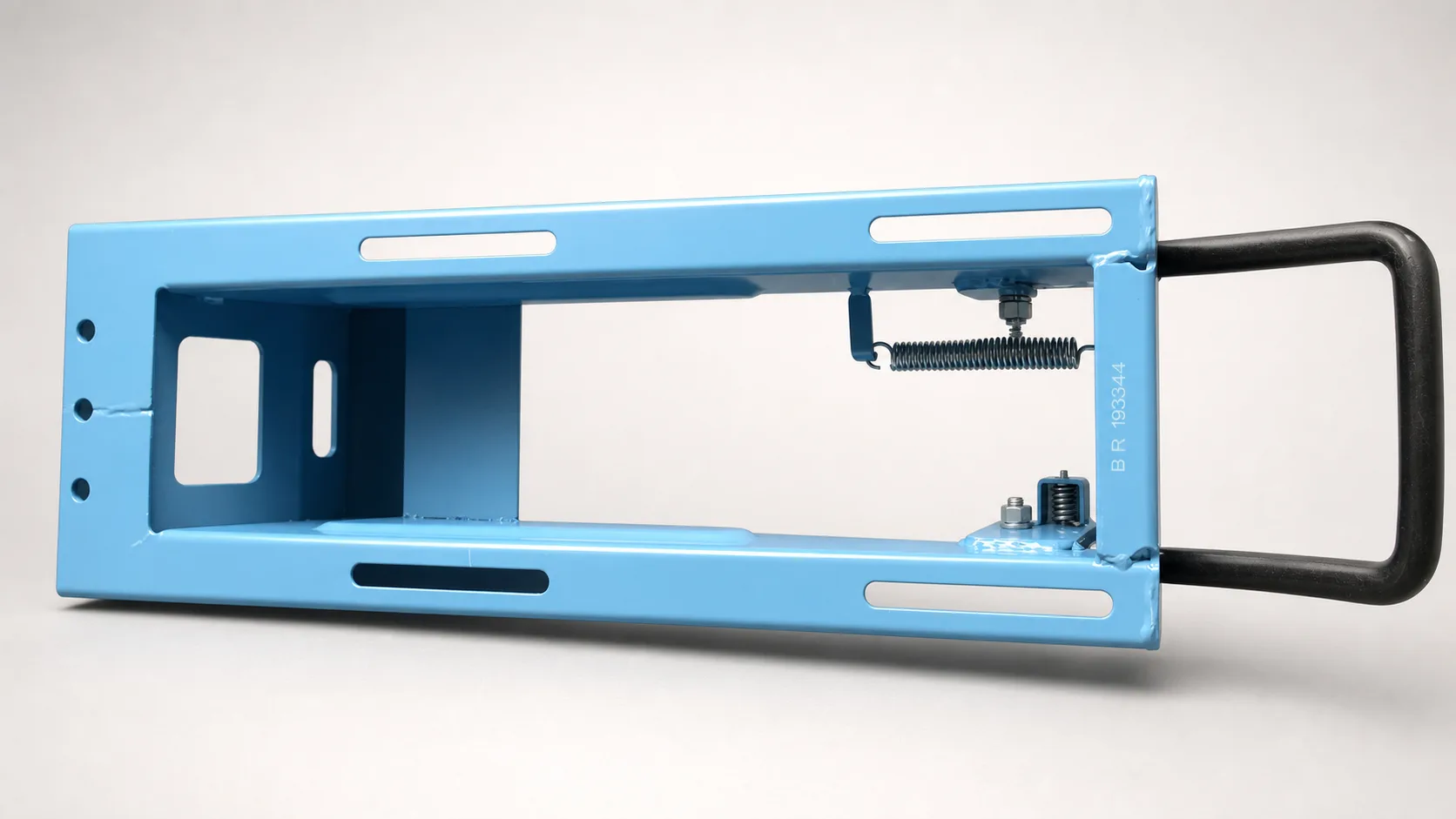
GN12 trailer-hitch frame shown directly as a component reference

Trailer-hitch review

This image shows the GN12 hitch frame, not a supplied trailer. For a defined short-distance movement requirement, confirm the intended task, hitch and connecting hardware, trailer specification and supplied scope; no load or road-use assumption is made here.

Define the transport requirement

Move from Conditions to a Supplied Scope

Bring the Field Brief. We Can Discuss the Package.

You do not need to select M80 or GN12 before contacting SUNTEC. Share the customer, field and work requirements so the relevant platform, power, working width, wheel setup, equipment and delivery scope can be reviewed together.

  • Destination country and target market
  • Customer type, plot size and access limits
  • Terrain, soil, moisture, slope and obstacles
  • Required jobs, result and daily workload
  • Engine, start, wheel, width and implement preferences
  • Order quantity, destination and packing requirements
Send Your Field Brief
GN12 seated configuration platform cutout
Final platform suitability, engine, wheels, implements, working width, packing and commercial scope are confirmed in the quotation for the stated operating conditions.