
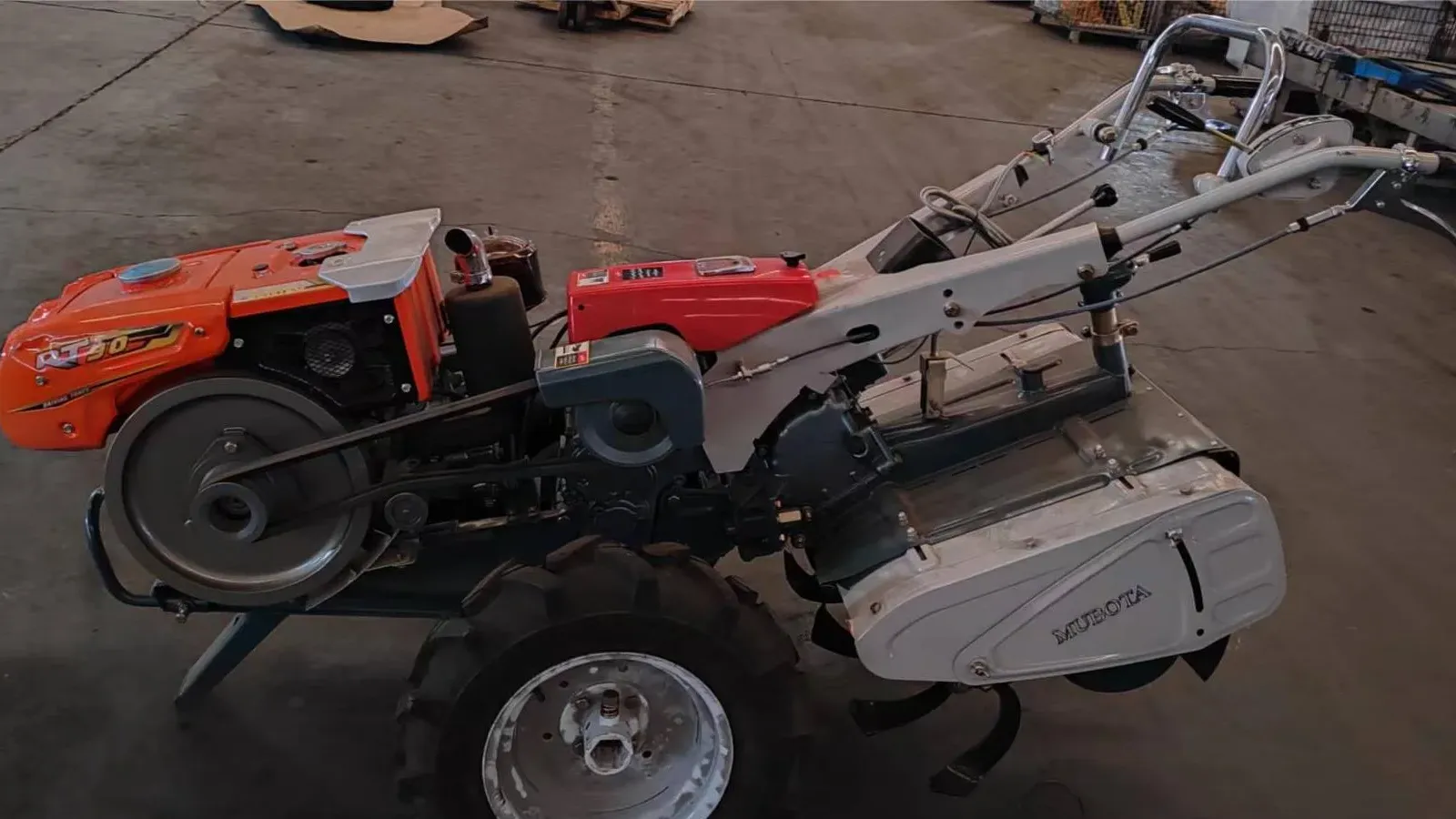
Power Tillers for Orchards and Row-Crop Access: Width, Spacing and Turning Room
Row spacing, tree-line clearance, headland turning and block-to-block transport decide whether a power tiller fits an orchard block. What to measure first.
SUNTEC Insights
How terrain, soil, crop rows and water conditions affect power tiller selection for distributors and project buyers.
Row spacing, tree-line clearance, headland turning and block-to-block transport decide whether a power tiller fits an orchard block. What to measure first.
Published guidance
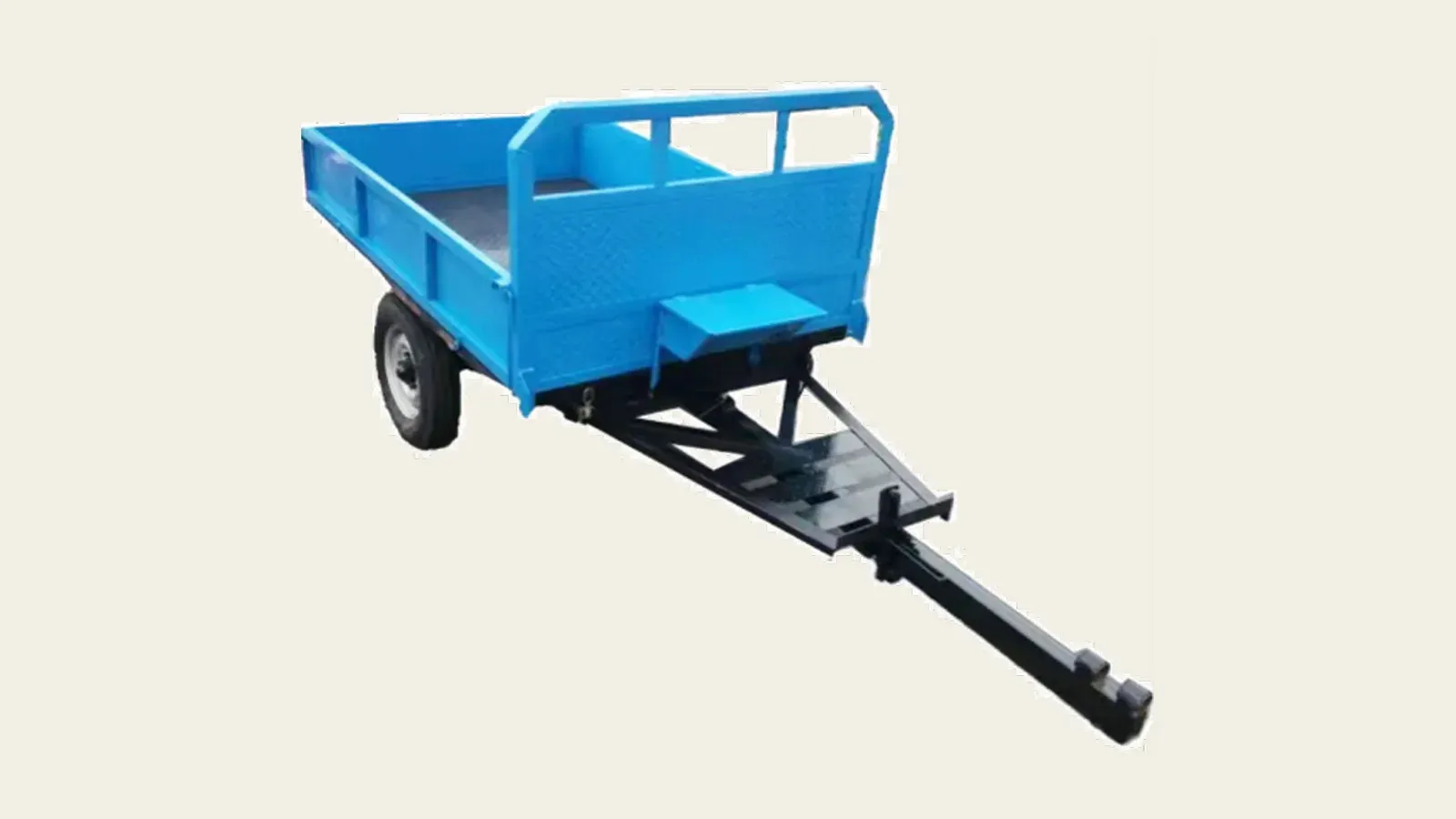
A walking tractor and trailer moves what a wheelbarrow cannot, if traction, braking and the route allow it. What to confirm with a supplier before ordering.
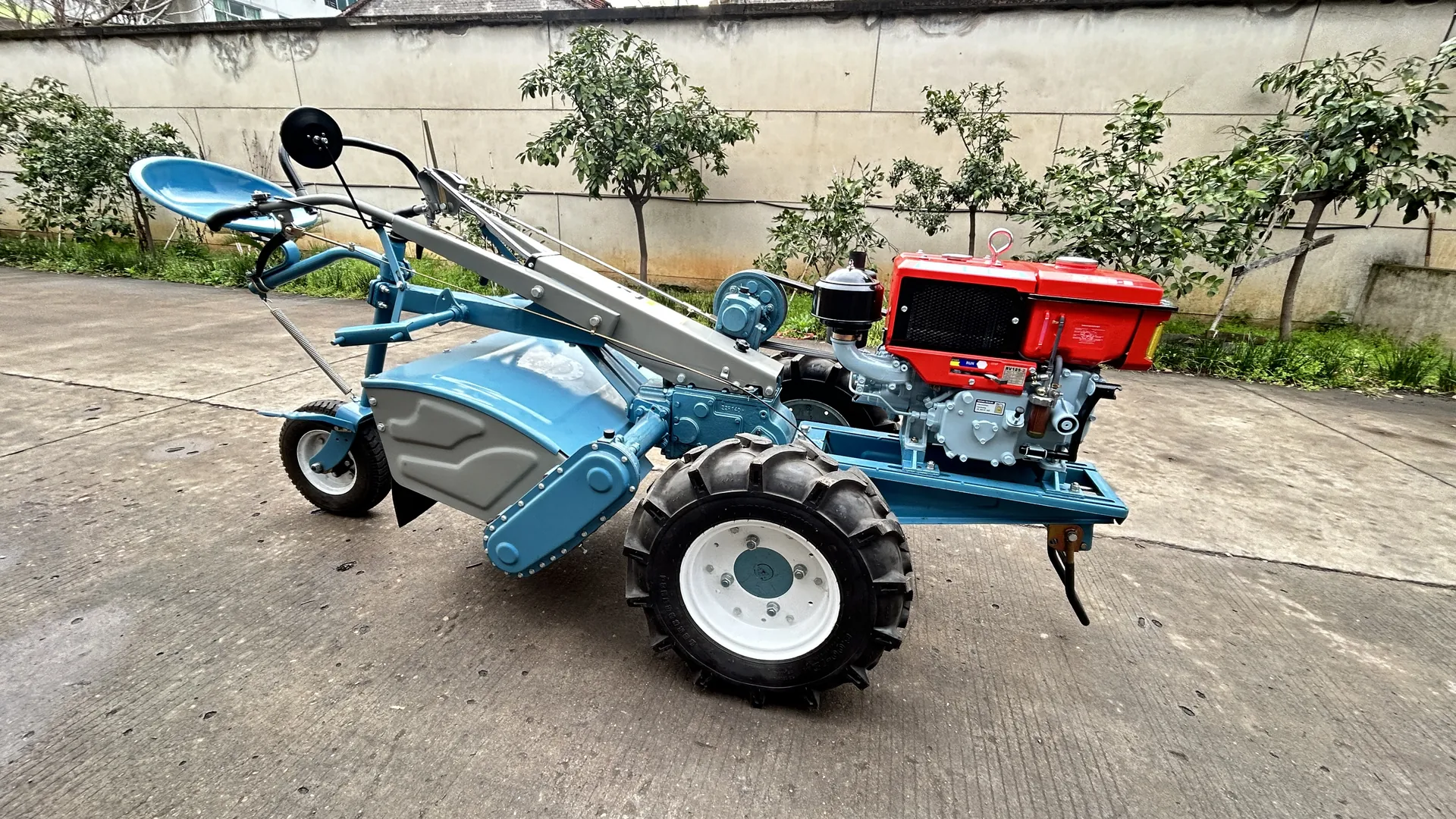
Measure the gate, the path, the row corridor and the headland before you choose a tiller: six measurements, how to take them, and how to record them all.
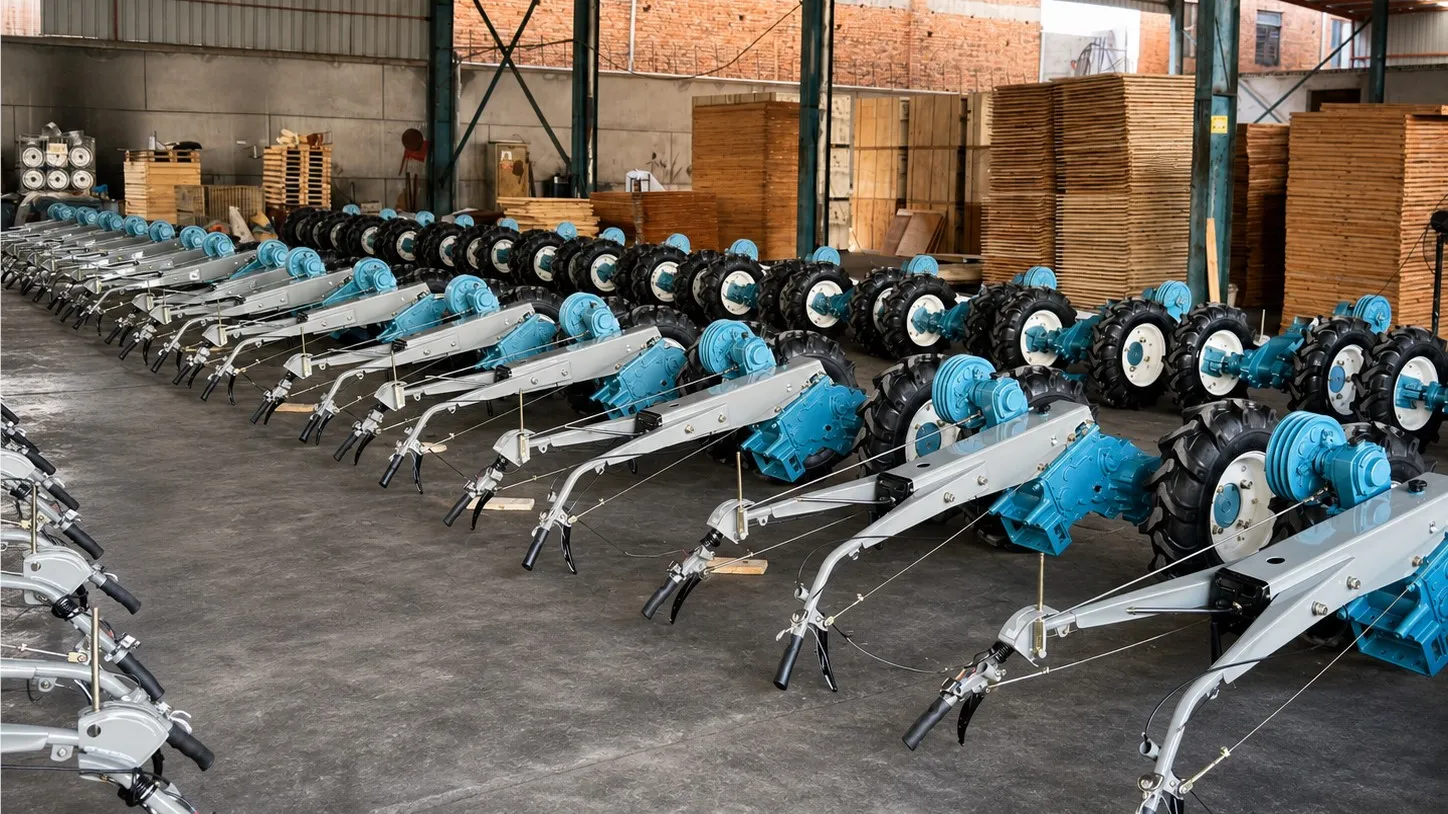
Soil resistance power tiller selection starts with measurement: cone index and penetration resistance set the power, ballast weight and implement needed.
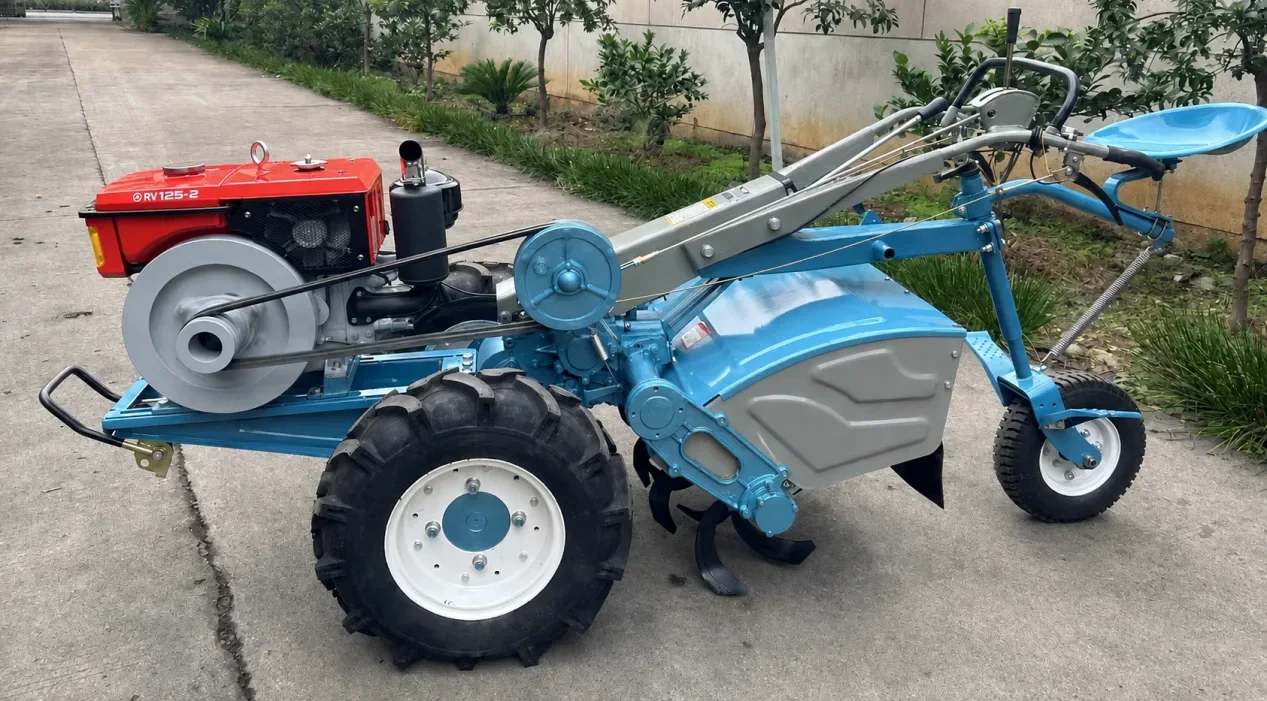
Work out a power tiller workload in three numbers, turn it into a work rate, then match engine class and working width to the job before price is discussed.
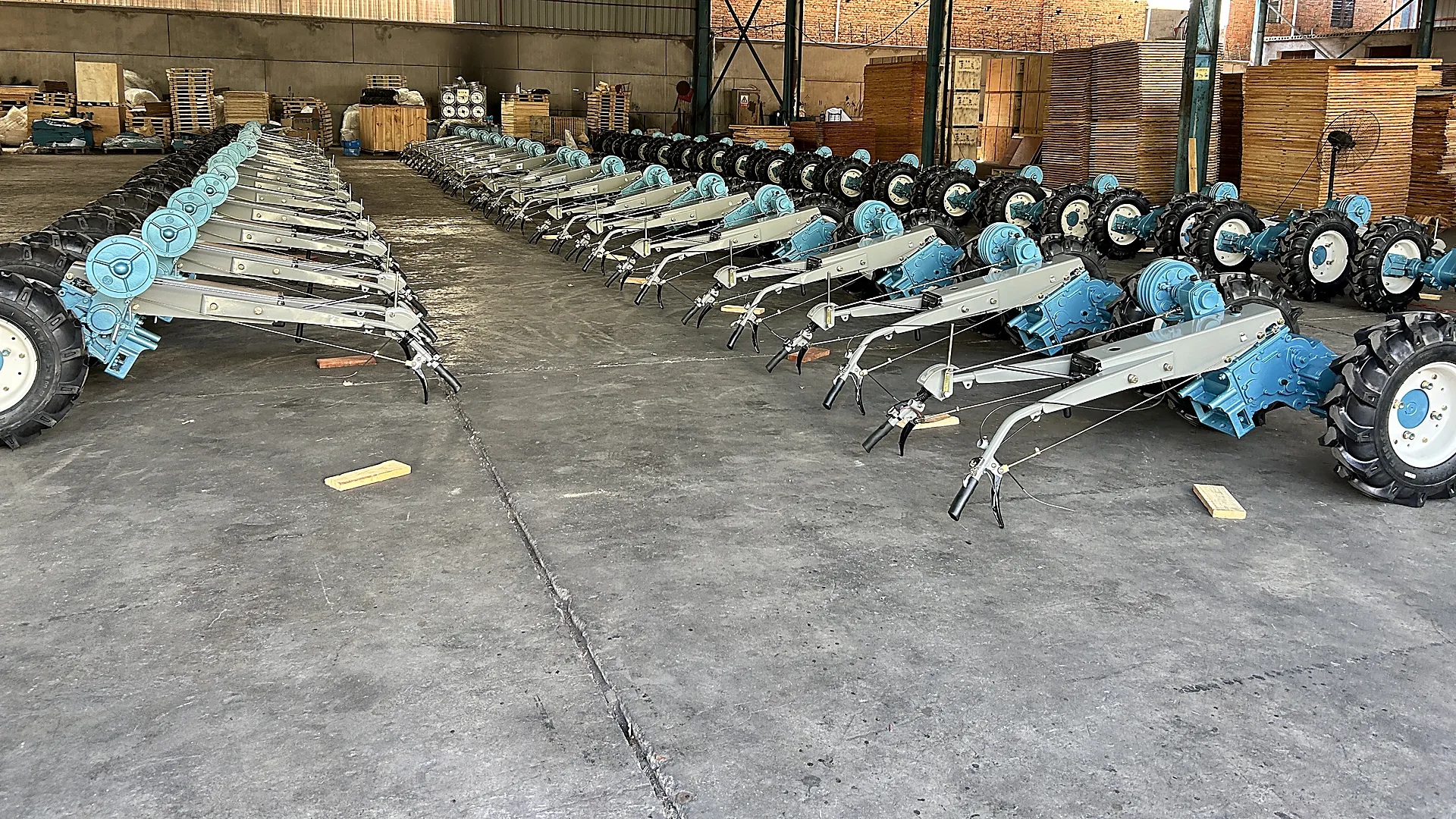
Paddy field vs dry land tiller setup: tyres or cage wheels, wheel spacing, rotor speed, blade form, ballast, working width and depth. A distributor's guide.

Use field access, soil and water conditions, plot geometry, working width and chassis needs to prepare a practical power tiller selection brief for quotation.