
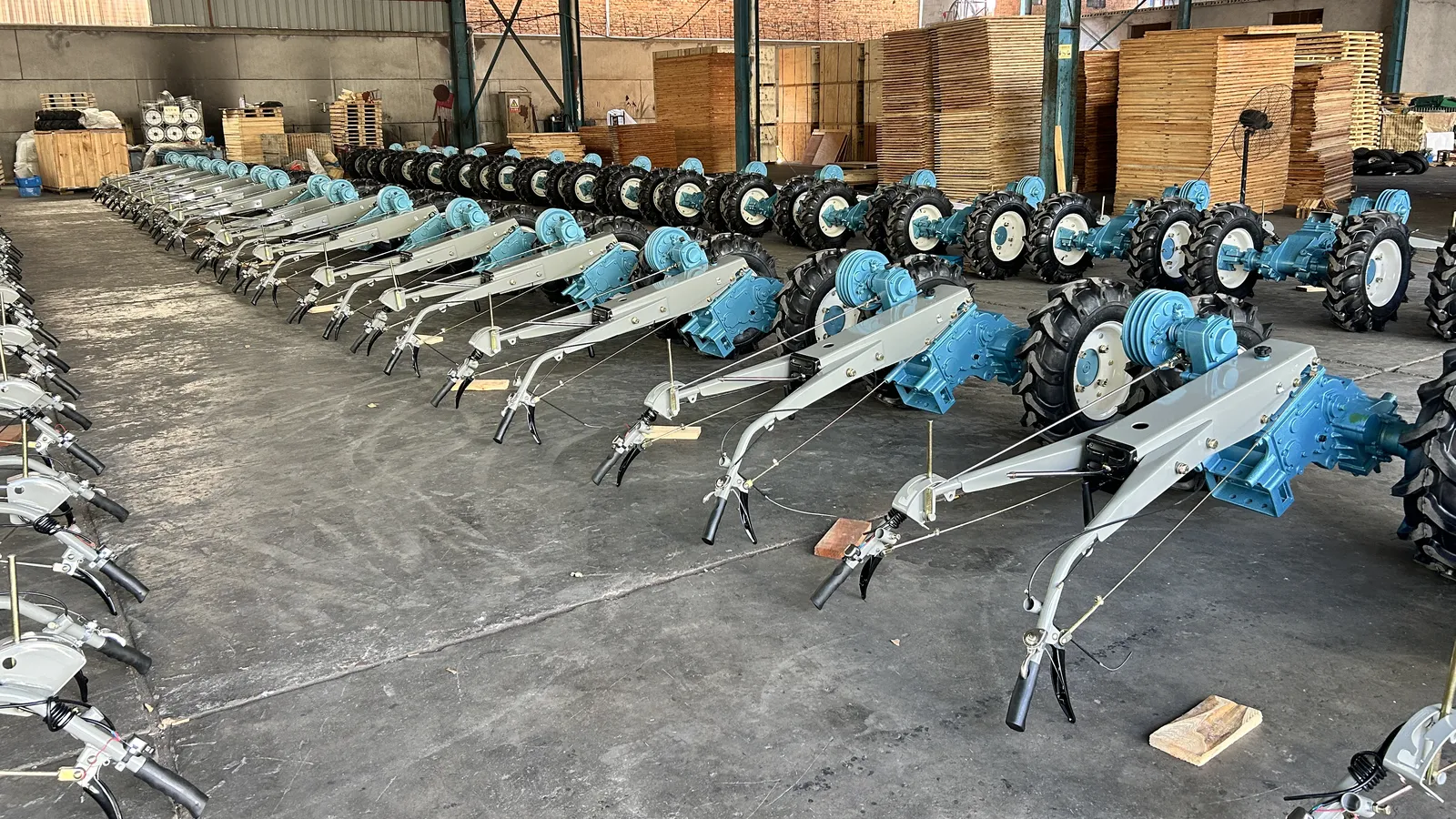
How Implement Weight and Balance Affect Handling, Traction and Turning
Power tiller weight and balance decide how the machine pulls, steers and turns. How mass, mounting position and ballast change traction, steering and grip.
SUNTEC Insights
How rotary tillers, ploughs, trailers, spike wheels and other attachments combine into a working package, and what to confirm before ordering.
Power tiller weight and balance decide how the machine pulls, steers and turns. How mass, mounting position and ballast change traction, steering and grip.
Published guidance
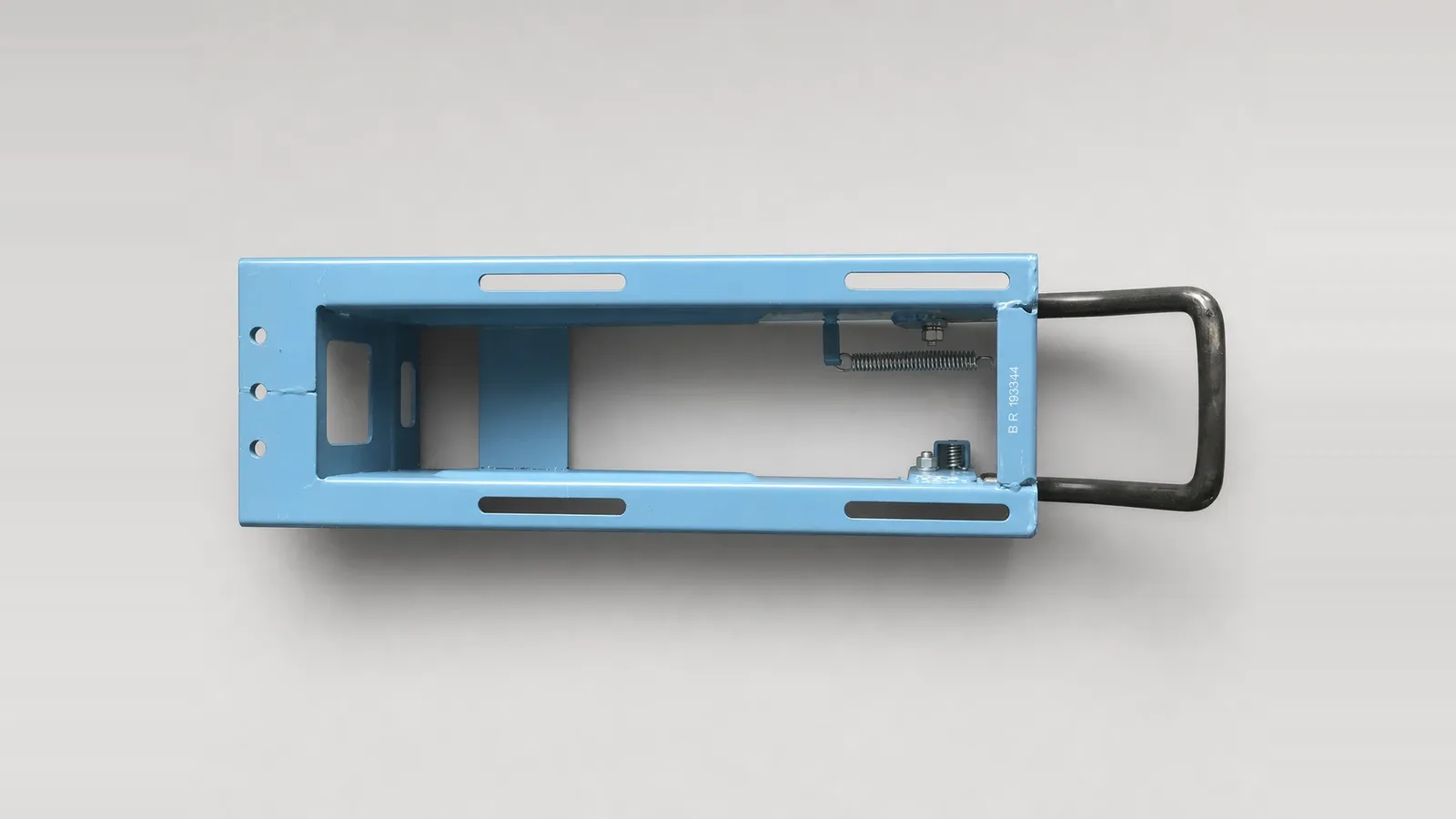
A walking tractor trailer package is decided by coupling geometry, load rating and brakes, not engine power. What distributors should specify and check.
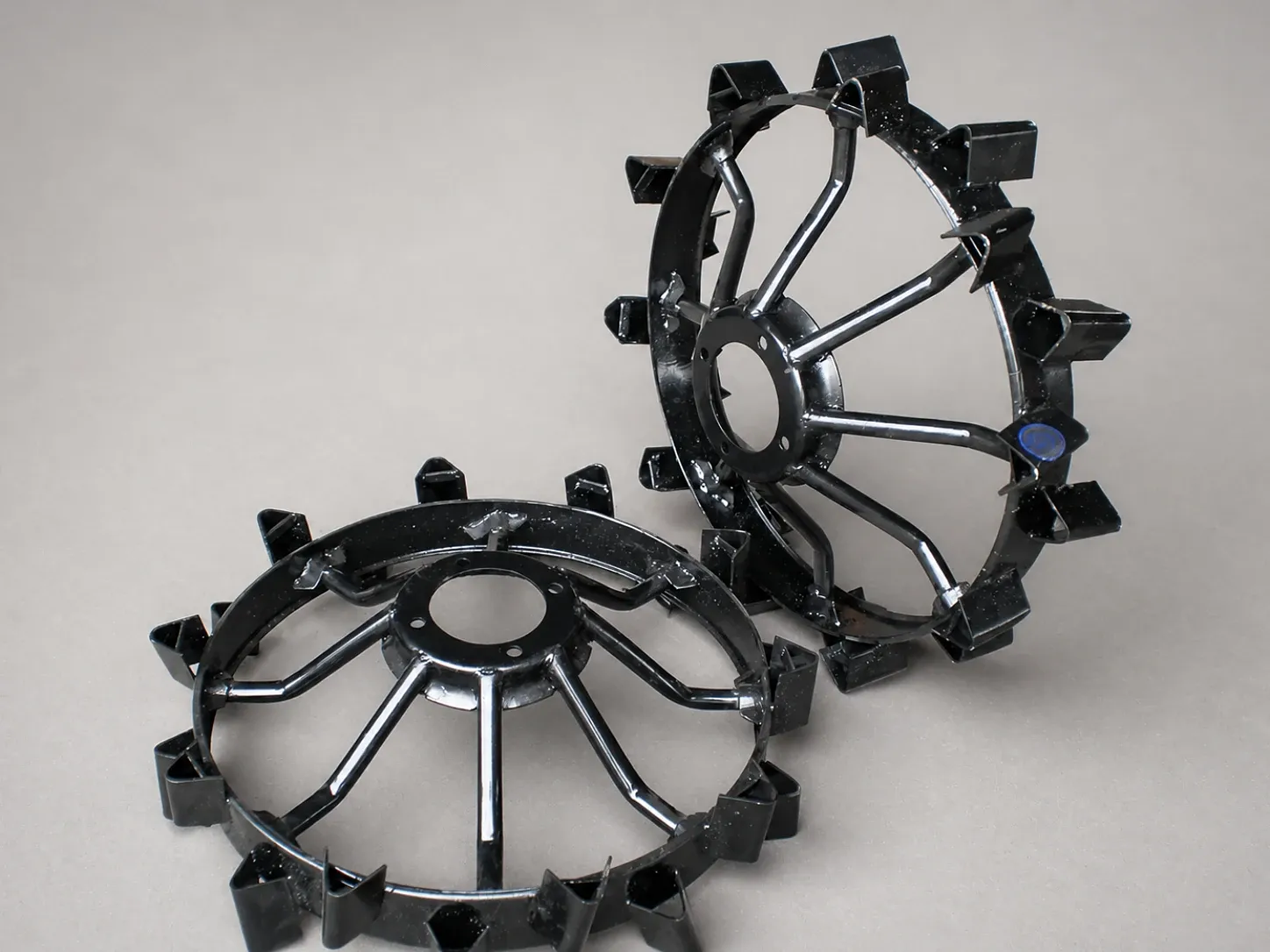
Spike wheels and anti-skid wheels: how steel traction wheels restore grip on a walking tractor in wet soil, and how to specify and check a set before ordering.
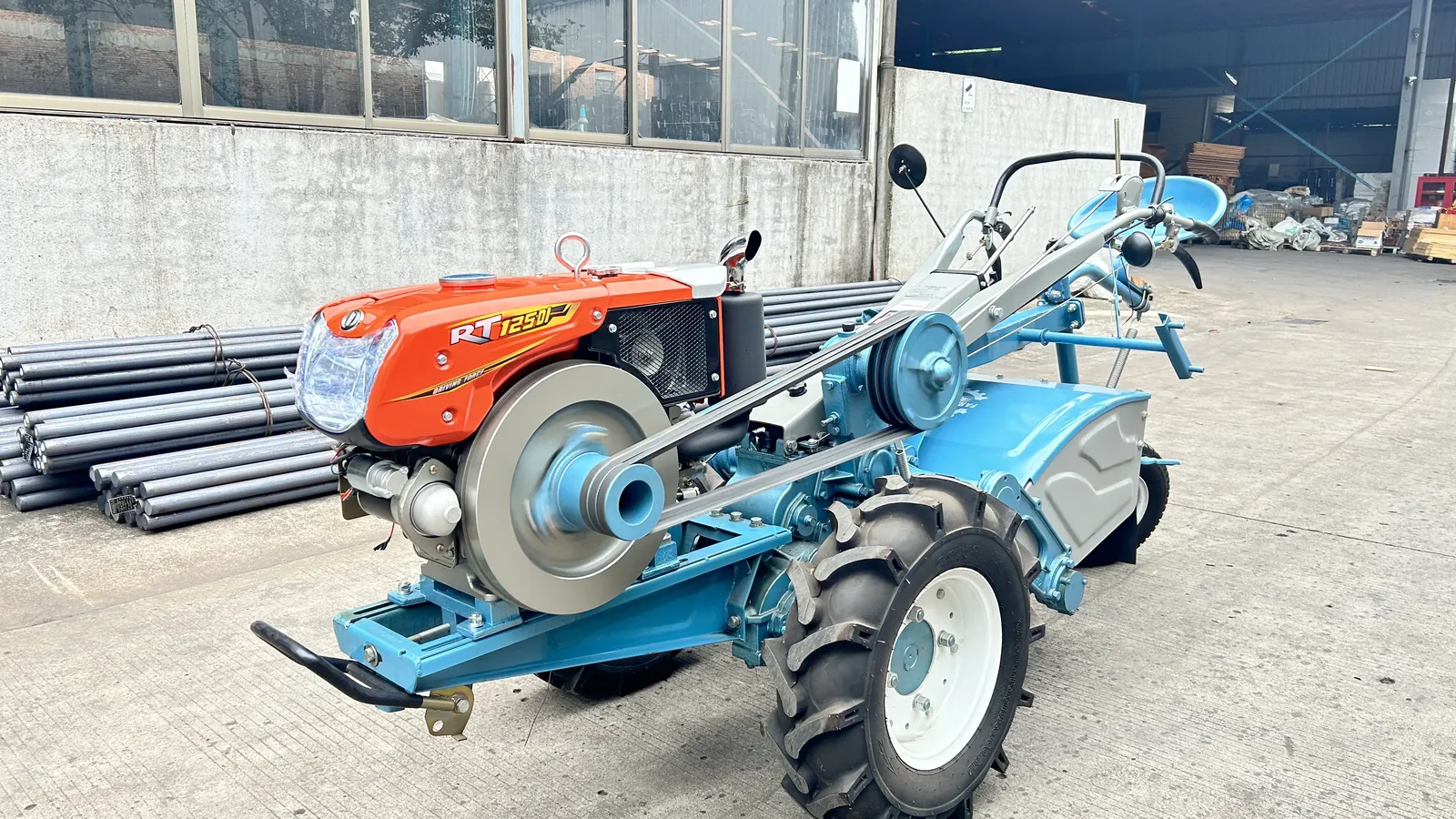
A power tiller plough package only works when three numbers agree: furrow width, working depth and the load the machine can pull. How to check all three.
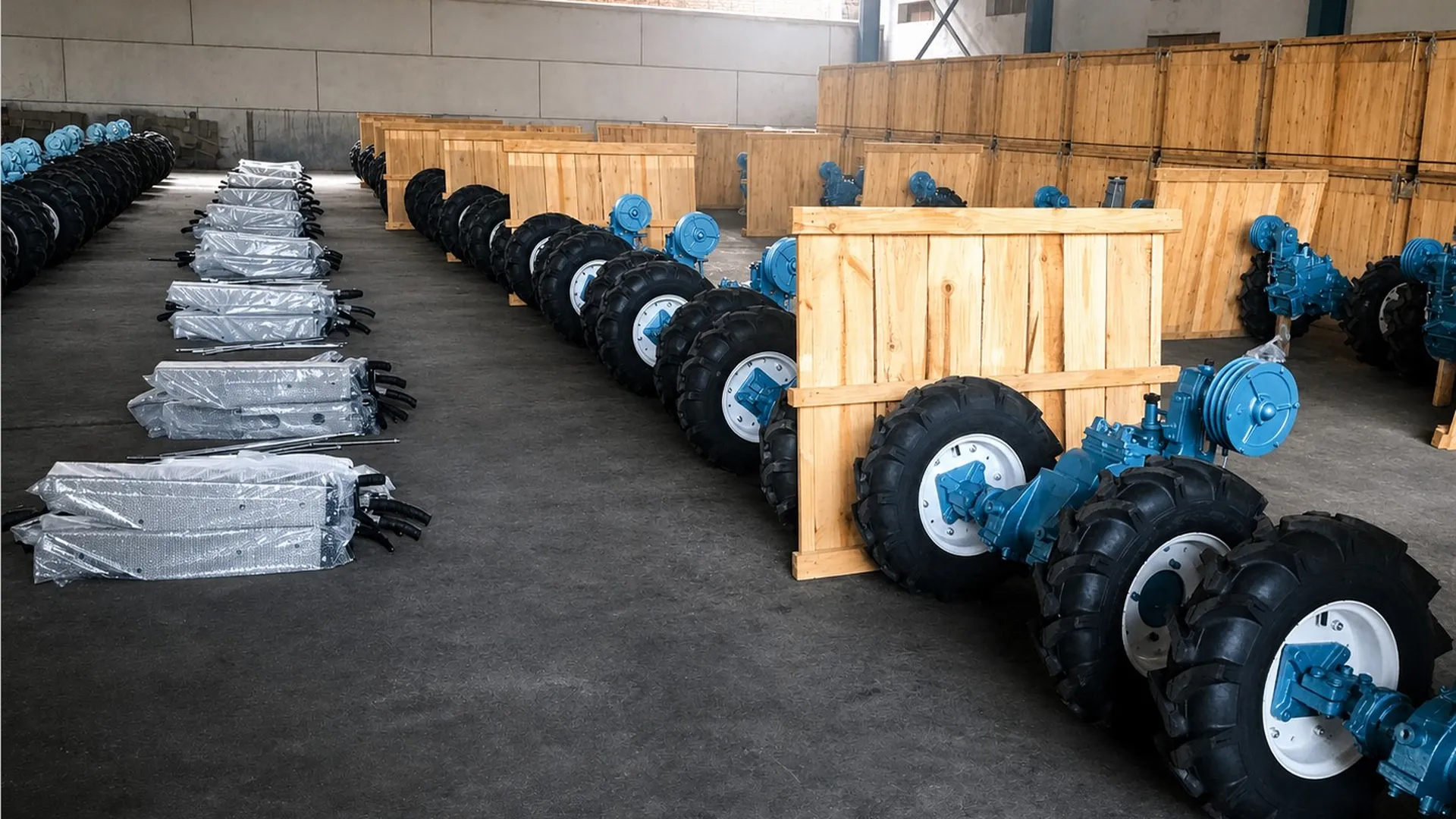
A rotary tiller for a power tiller is confirmed at the interface, not the catalogue. Six inputs decide whether a rotary tiller package fits an M80 or GN12.
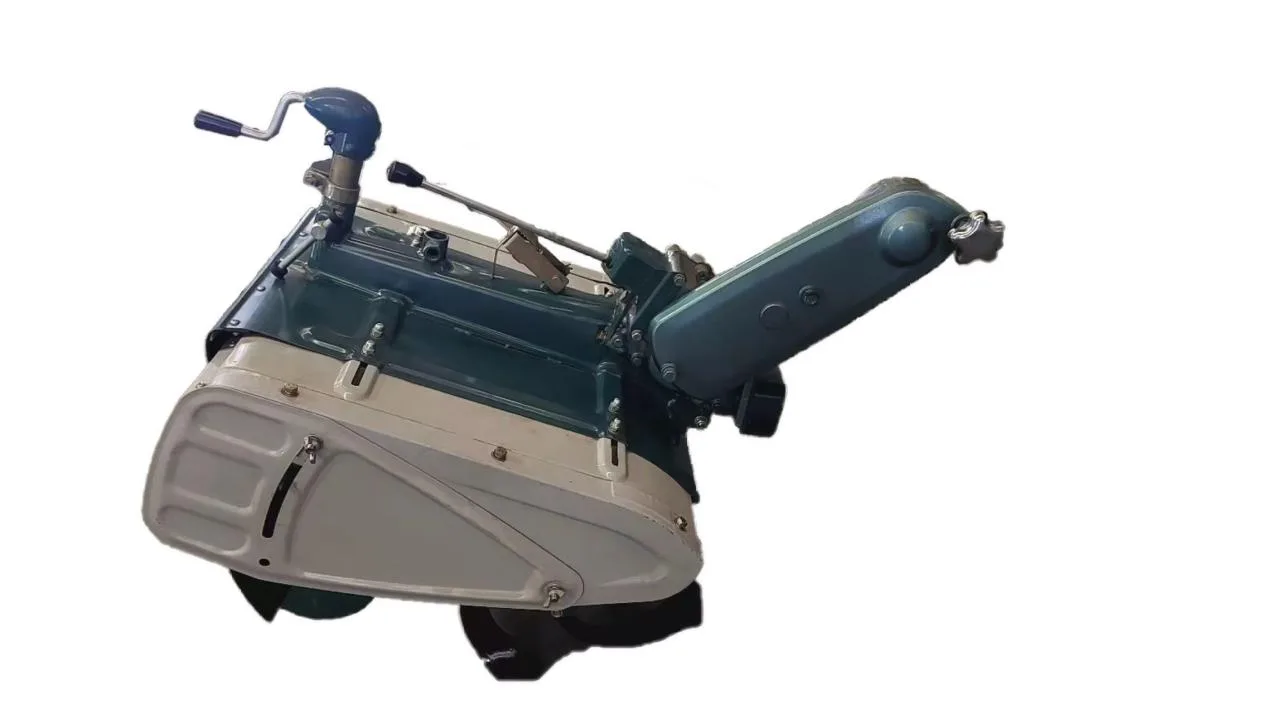
A rotary tiller mixes and pulverises soil in repeated passes; a plow inverts it in one. Here is the field result each leaves — and how to choose between them.
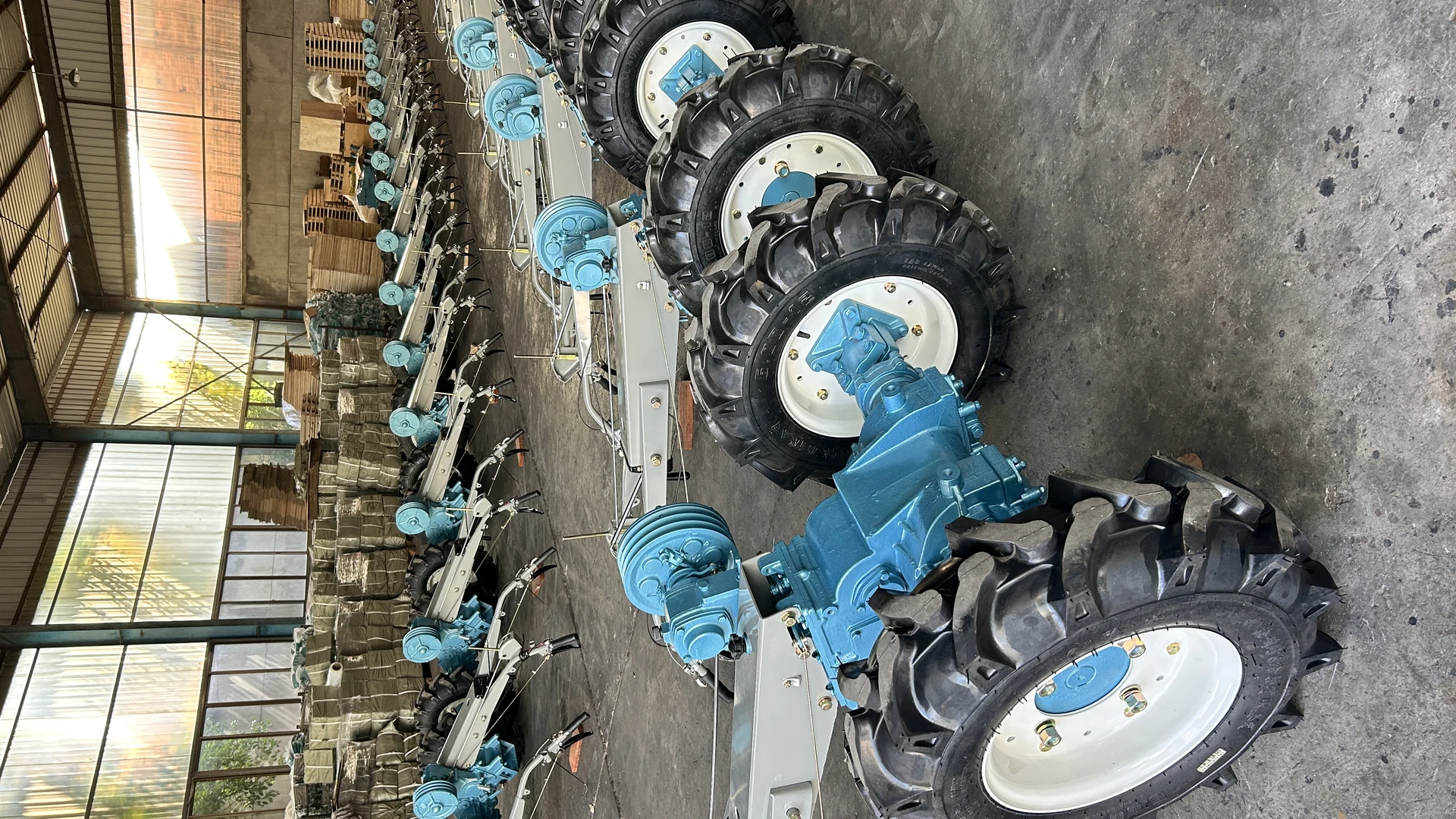
A power tiller attachment package is planned in order: the field work, the platform and its interfaces, the attachment set and its size, then the order scope.
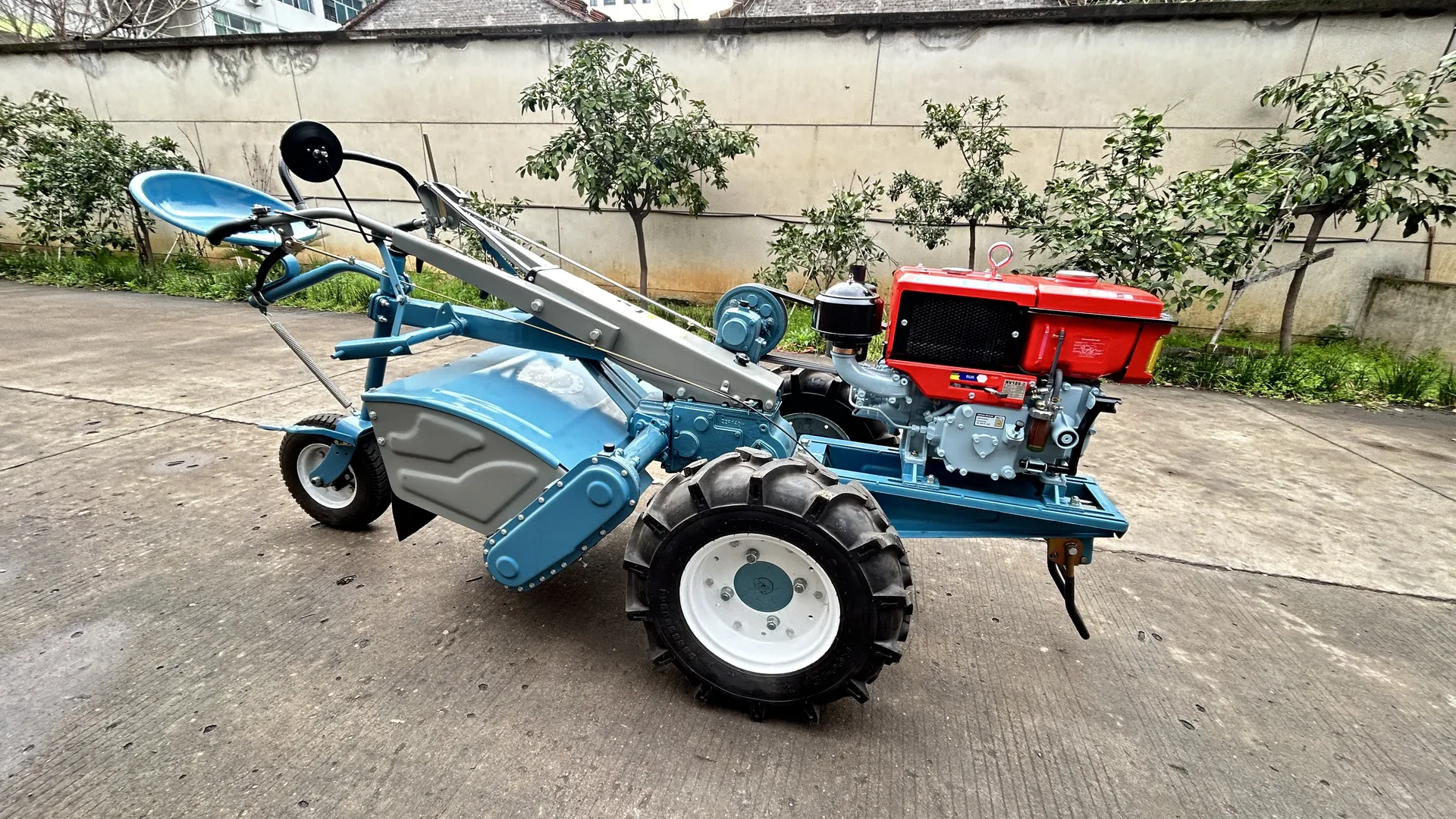
Confirm the platform, the mounting and drive interface, the working dimensions and the order scope before you commit to a power tiller implement order.